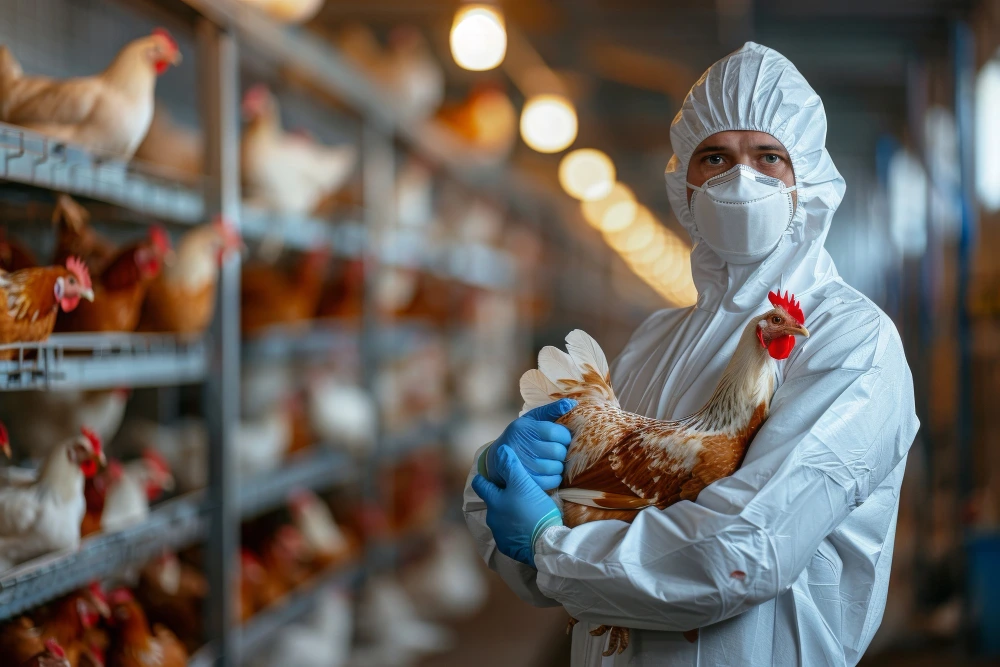
Good health and production of poultry requires more than just food, water and shelter. On a daily basis, the equipment employed can have a significant impact on cleanliness, feeding efficiency, comfort of birds and overall flock management. Small errors can lead to a host of problems, such as using the wrong feeder size, or the wrong location for waterers. The knowledge of these common mistakes will help the poultry owner to make the poultry operation more practical, and avoid unnecessary expenditure. For all types of flocks, whether chicken, quail, pigeon or a combination of all the above, equipment should always be suitable for the birds and the environment.
Selecting Equipment Without Taking Into Account The Size Of The Bird
A common mistake is simply purchasing equipment based on its price or appearance. The size of the equipment should vary according to the type and size of the birds. A feeder that is too small may lead to crowding and competition among quails, while an oversized feeder may not be as practical for smaller birds. When choosing essentials whelping Accessories, consider the number of birds, their size, age, and feeding habits. Selecting appropriately sized equipment helps minimize food and water waste while allowing all birds to comfortably access their food and water
Failing to Consider Quality When Purchasing Poultry Accessories
The low cost equipment might be tempting in the short run, however, substandard construction can cause the equipment to break easily or be hard to clean. Purchasing poultry Accessories in Australia, make sure that these are made from a tough material and will not fail over time as they are used, exposed to moisture, cleaned and used outdoors. Smooth surfaces are especially beneficial to wash and don’t trap dirt. Good, usable equipment will minimize replacement costs and help to make the job of everyday poultry management more efficient.
Feeders or Waterers That Are Improperly Placed
No matter how good the feeder and waterer, they will not work if they are not installed properly. Droppings from the birds can also get into food and water if they are placed directly under the perches, and if the food is placed too low under the perches the birds may scratch in the bedding and expose it to the food. Waterers should be unchanging, and placed at a place that is easily reached by birds, but not excessive spills are created. Operating the flock regularly to monitor can help to determine if equipment should be lifted, moved or replaced with a better design.
Purchasing Non-quail Specific Quail Equipment
Quails are different from larger birds in terms of their physical requirements and behavioural needs. Waste of feed, difficult cleaning, and limited access may occur if inappropriate equipment is used. Owners looking for Pet Supplies in Australia should consider quail size and breeding requirements when selecting suitable products. Feeding methods, drinkers, nesting materials, and enclosure accessories can help create a more manageable breeding environment while ensuring that the birds are not disturbed unnecessarily.
Choices in Quail Breeding Accessories for Australian Environment
When it comes to choosing quail breeding accessories in australia, Australian poultry owners might have some unique concerns with regard to the environment. Temperature and weather conditions, humidity and enclosure design can affect the performance of equipment. Consider how the product will be used and used in a location and how it can be maintained through weather conditions. Prior to purchase inspect product size and materials to ensure that the accessories are appropriate for the enclosure size and number of birds.
Essential Quail Breeding Equipment Has An Unobstructed View Of The Equipment
The other error is buying the components without taking into account the entire setup. All quail breeding equipment should be used as a system. These must all be taken into account: feeding, drinking, housing, nesting, cleaning and egg collection. When one component of the system is hard to reach, it will make it more time consuming to care for the system throughout the day. A straightforward piece of equipment list can assist the owner understand what is necessary before he or she buys extra equipment.
Lack Of Proper Care Of The Poultry Equipment
Good quail breeding materials, like anything else, require periodic care. Frequently check feeders and water containers for contamination or damage, or for algae build-up or excessive feed. Any broken equipment must be repaired or replaced. Cleaning on a regular basis also helps in the elimination of stinky smells and will make the enclosure easier to manage. With a few simple steps, a daily and weekly equipment maintenance procedure can keep minor equipment issues from becoming big management problems.
You Can Forget About Accessories For Pigeon
The equipment is also an important factor for pigeon keepers, depending on the pigeon’s behaviour. Pigeon accessories can consist of a variety of feeding and drinking items, nesting items, perches, and more. If we simply use regular poultry equipment, then we can easily create some unnecessary mess and waste when moving and feeding pigeons. Choosing appropriate accessories will make it easier to take care of the care routine and enable the owner to keep the surroundings cleaner and more organized.
Conclusion: Make a smarter poultry operation
The first step in avoiding equipment problems is to have an understanding of the requirements of the birds and the environment in which they are housed. Poultry care can be made more efficient by using appropriate products, placement, care and maintenance of your feeders, waterers and the use of special quail breeding equipment. When selecting a Poultry Equipment Suppliers or looking for a Poultry Accessories in Australia, compare the equipment and services for durability, functionality, hygiene, and appropriate size – not on price. A structured layout can help save time, minimize waste and aid in the betterment of daily flock management.