How to Reduce Feed Waste With the Right Feeder
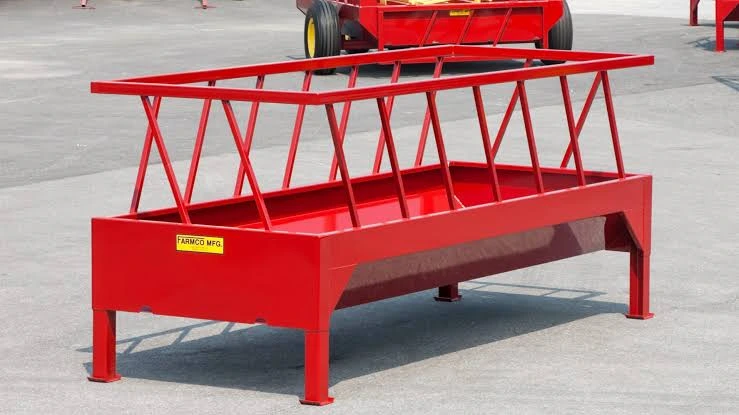
Feed costs are one of the largest daily expenditures of the poultry and livestock industry and even minor daily losses can impact profitability. Moisture contaminated, improperly stored or used feed or feed that was dropped on the ground represents a farmer’s expense for feed that is not eaten. The selection of appropriate feeder will make feeding more efficient, better hygiene and help with better growth. The good use of appropriate livestock feeders equipment, and the adoption of a practical feeding procedure, allows farmers to minimize any unnecessary losses and ensure animal welfare.
Select Feeders Best Suited For Your Livestock
There are different kinds of feeder which varies in feeding habits of different animals, and selection of feeder is important. Each species of livestock (cattle, sheep, chickens and quails) will require a size appropriate piece of equipment, it is not the same for all animals. Livestock feeders equipment should give room for animals to comfortably feed without any animals pushing feed onto the ground. Raised edge and controlled feeding openings can reduce the amount of scattering and scratching. Choosing the right capacity also helps to avoid over crowding, competition and unnecessary feedings during periods of heavy feedings.
Minimize Spillages Using Smart Feeder Design
A good feeder should make feed easily accessible to animals while minimizing waste. Look for sturdy construction, a stable base, an appropriate trough depth, and raised rims that prevent animals from scattering feed. Adjustable feeders are particularly useful as poultry and livestock grow. Farmers in Australia searching for pigeon accessories in Australia should consider the species they raise, the size of their farm, and how easily each feeder can be cleaned. Durable, waste-reducing equipment often offers better long-term value than cheaper feeders that need frequent replacement.
Feeders and Waterers in Combination For Improved Hygiene
Giving the right amount of feed is important, but that’s not everything. Where you put the feed and water buckets is really important. If you place them the right way, the feed stays dry and clean no water, no poop, no mud in it. Just keep the water bucket a little far from the feed bucket, that’s it. This way your animal can drink easily without spilling water into its feed. If you are using an automatic water trough, just keep it properly fitted and clean so water keeps coming without any issue. Check the water flow daily, clean the drinking area, and fix any leakage you see. It will keep the place clean and there will be less mess around.
Choose The Appropriate Quail Breeding Equipment
Quails are small active birds that can be fed on feeders that will restrict feed scattering and encourage them to eat from the feeder. Utilizing the right quail housing accessories can assist in maintaining a well-organized environment and promote a more regular feeding schedule for quail. Farmers must look to find appropriate quail breeding accessories in Australia that are suitable for their birds’ age, size of the enclosure and number of birds. Special quail housing and equipment such as the proper sized feeding and watering trays will simplify the care of quails day after day. Good quail breeding materials also enable breeders to keep their enclosures cleaner and more closely track how much feed is consumed.
Purchase Quality Poultry Equipment From Reliable Equipment Suppliers
When feeding a large number of birds, it does make a difference when you use quality equipment. A good Poultry Equipment Suppliers can assist the chicken growers in selecting the effective equipments according to the size of their flocks, the housing condition and the maintenance needs. When buying poultry Accessories in Australia, a comparison should be made of the quality of materials, feeder capacity, access for cleaning and availability of replacement parts. Having a design that is easy to clean is very important since there is a possibility that particles of feed will get stuck in it, attract pests, and promote the growth of bacteria. A feeder should be efficient and easy to work and maintain at a consistent rate, and be durable.
Make a Feeding Schedule To Avoid Wasting Feed
With all the best equipment there is no way to prevent waste if it isn’t managed. Don’t overfill feeders and adjust the amount of feed based on the animals’ eating habits. Check feed areas daily to look for broken feed, wet spots, pests, and any loose feed. If feed gets dirty, throw it away and clean the feeder. Also, note down how much feed you buy, use, and waste. It will help you know if you need to change the feeder or its place.
Conclusion
The first step in minimizing feed waste is understanding animal behavior and selecting feeders that meet the farm’s specific requirements. Effective resource management involves stable feeder designs, proper feeding practices, reliable drinking systems, and regular inspections. Whether managing poultry, livestock, or quail, farmers can improve feeding efficiency by investing in durable equipment and maintaining good hygiene practices. Choosing quality pet supplies in Australia can also help support better animal care and resource management. The right investments can reduce unnecessary expenses, preserve feed quality, and create a more efficient and productive farming environment.
FAQs
Q1: Does the right feeder really reduce feed waste by putting the feed in the right place?
The feeder should be appropriate for the kind of feed and limit the scattering of feed, and prevent dirt, droppings, and moisture from getting into the feed.
Q2: What factors should be taken into account by the farmers when purchasing livestock feeders equipment?
When choosing an animal frame the farmers should take into account animal size, capacity of the feeders, durability of the material, ease of cleaning the feeders, stability of the feeders and the possibility of spillage of feed.
Q3. Do special quail feeders work?
Yes, A well-sized feeder will allow quails to access feed easily, and also minimize scattering and simplify feeding procedures.
Q4: What are the importance of feeders and waterer on farm hygiene?
Feeders and waterers are located appropriately to minimize the chance of feed contamination, wet areas and better animal housing.
Q5: When to clean farm feeders?
Feeders should be cleaned daily and whenever there is any residue, moisture or contamination present. The cleaning frequency should also be based on animals species and according to manufacturer’s instructions.
Tags