Choosing the Right Substrate for Your Reptile
Deciding on the correct substrate is one of the most critical decisions to be made when creating a reptile’s habitat. The term substrate is used for the material that is used to cover the floor of an enclosure, which is a direct influence on comfort, hygiene, humidity and natural behaviour. There are a number of different needs for various reptiles, so pet owners should take into consideration the species, age, habitat and feeding habits of their pet before deciding on which one is the best. The correct substrate can provide environments that are suitable to live in, whether you are developing a desert or tropical habitat. It is essential to have a good reptile enclosure, one that provides the right flooring, temperature control, ventilation and hiding places to promote your reptile’s general well being.
Demonstrate a Variety Of Substrates For Different Reptile Species
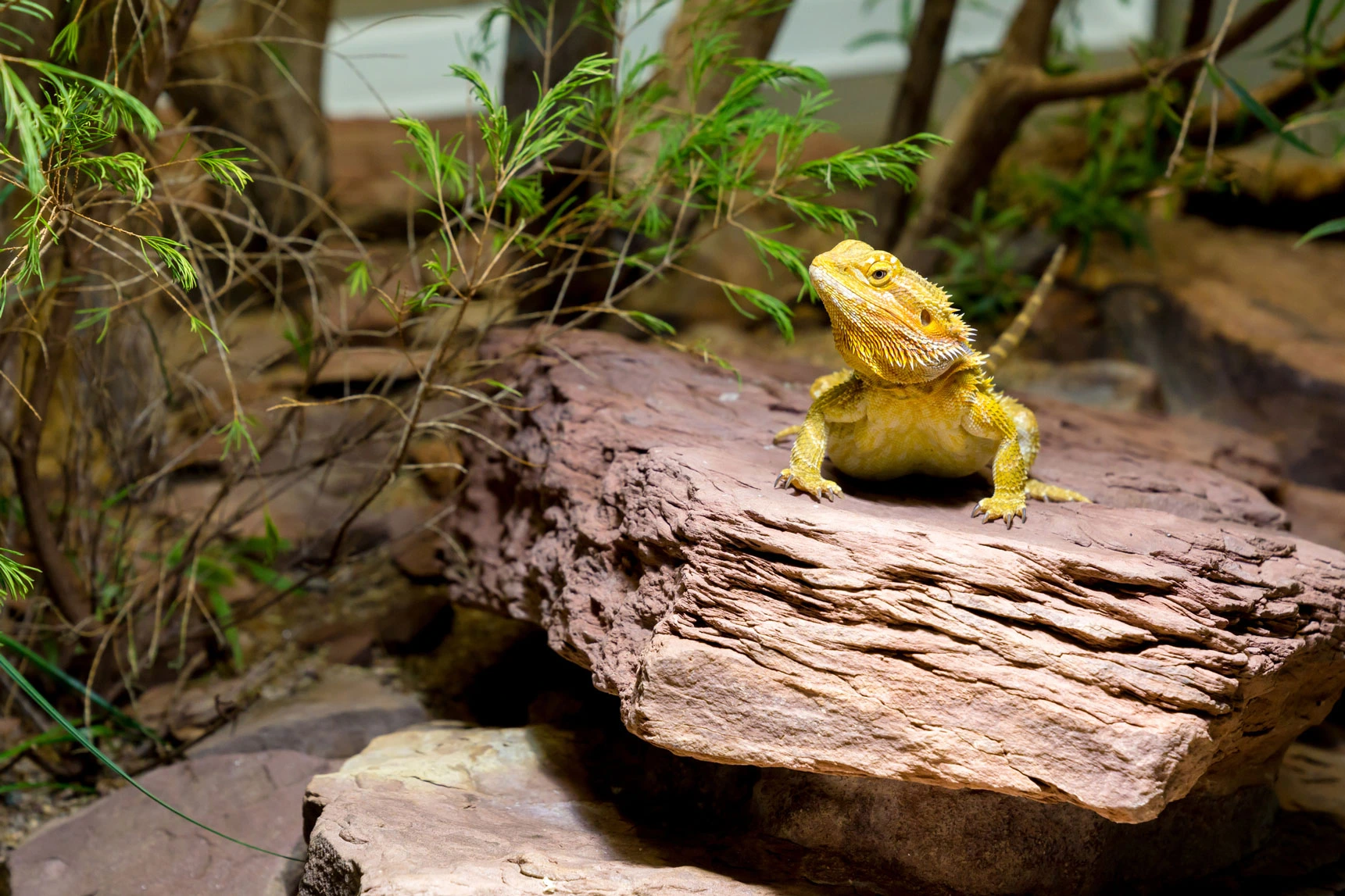
Paper towels, reptile soil mixture, coconut fibre and reptile bedding are all common choices of substrate. Paper towels can be used in young reptile enclosures or quarantine rooms as they can be easily replaced and waste can be easily observed. Coconut fibre can be helpful to prevent the drying out of suitable tropical habitats, soil based mixtures can be useful for allowing natural digging behaviour, providing they are prepared correctly. Not all species are able to use loose substrates, especially if they can ingest it accidentally, causing issues. Before choosing a reptile enclosure bearded dragon setup, investigate what they need and what may cause their humidity to be too high or make it more likely to cause impaction.
There Are Many Reasons To Consider PVC Reptile Enclosures
A pvc reptile enclosures can offer a convenient structure for a well-kept habitat. PVC is generally lightweight, will not get wet as easily as many untreated wooden surfaces, and will be easier to clean. It’s beneficial for keepers who are interested in maintaining enclosure conditions and humidity. But the choice of enclosure material is not enough to determine suitability of the habitat. All substrates must be appropriately sized for the species, as must be the ventilation, heating and drainage. When comparing PVC Reptile Enclosures in Australia, make sure that the enclosures are constructed safely, have the appropriate dimensions, are well-fitted and have secure doors as well as being compatible with the heating equipment that your reptile will need.
Quality Affordable Enclosures Without Sacrificing Quality
Owners looking to create an affordable reptile habitat may compare different Pet Accessories in Australia before purchasing a complete setup. Low-cost options can be effective if they provide sufficient space, proper ventilation, and easy access for cleaning. Don’t focus only on the enclosure price, as lighting, hides, thermostats, and heating equipment can add to the overall cost. When exploring PVC reptile enclosures in Australia, check the specifications and ensure the model suits your reptile’s adult size. When designing a portable reptile enclosure, prioritize your animal’s essential needs and comfort over unnecessary features.
Learning to Make A Decision Between Horizontal And Vertical Habitats
The shape of the enclosure isn’t always a one-size-fits-all for all reptiles. Floor space is important for ground-dwelling species and climbing branches and vertical space may be necessary for arboreal reptiles. If there are any species in the reptile collection which are natural climbers, and they are provided with secure branches, adequate temperature range and proper ventilation, then a Vertical Reptile Terrarium may be considered. When considering Vertical Reptile Terrariums in Australia, it is important to assure that sizes are appropriate to the animal’s animalistic behavior and size when adult. In the same way, Australia Reptile Enclosures are configured in various ways and therefore it is more crucial to choose a habitat according to the specific needs rather than merely because it is aesthetically pleasing.
Making a Full and Hygienic Reptile Terrarium
Ideally the substrate should be a component of a habitat. Reptile terrariums should have the proper hiding spots, water dishes, climbing structures (if necessary) and a good temperature monitoring system. Regularly remove waste (spot cleaning) and change substrate as needed, depending on type of substrate and the cleanliness of the enclosure. Reptile Terrariums in Australia and reptile terrarium australia kits should be evaluated for the inclusion of accessories, as well as the option of purchasing them separately. When looking at Cheap Reptile Terrariums in Australia, make sure it is intended for the reptile you wish to keep and not assume that any glass, PVC habitat can be used interchangeably.
Selecting Accessories that will Enhance and Encourage Natural Behaviours
The correct accessories provide a sense of security for reptiles and their natural behavior. Some additions that are useful, depending on the species, include hides, branches, basking platforms, thermometers and thermostats and appropriate lighting. When you choose to buy Reptile Accessories in Australia, be sure to verify the safety of the product, the size of the reptile enclosure and the compatibility of the product with your enclosure. The expense of getting a reptile range might be reduced by buying the low cost reptile accessories in australia, however you should avoid any products that have sharp edges, a platform that lacks stability, a coating that is poisonous, or a material that becomes unsafe when heated. All accessories should be both functional and allow your reptile to be able to move around.
Conclusion
There are also aspects of your reptile’s nature, humidity requirements and behavior that need to be considered when selecting the type of substrate to use. Use suitable flooring materials, provide a secure enclosure, suitable heating, ventilation and easily cleaned accessories. Ensure safety and species needs, regardless of the PVC housing, vertical terrarium or basic starter. Well planned out habitat can help you to maintain the creature easier, and still provide a long-term comfort and health.
FAQs
Q1. Which is the best Substrate for a Reptile Enclosure?
It will depend upon the species. Different reptiles may require different soil mixes, different types of paper towels and coconut fibre for different reptiles, depending on their needs.
Q2. Are PVC reptile cages for the novice?
Yes, many PVC enclosures work for beginners as they are easy to maintain and light to transport and are relatively easy to assemble, when they are suitable for the species.
Q3. Is it safe to have loose substrates for bearded dragons?
Not all the time! Whether the substrate is safe or not is dependent on the dragon’s health, husbandry, feeding practices and the type of substrate. If in doubt, approach the reptile veterinarian for advice.
Q4. Would it be better to get a vertical reptile house?
For those plants that grow best on a trellis, select a vertical terrarium. Rather, ground-dwelling reptiles might require additional horizontal space rather.
Q5. What accessories do you need to put in a reptile habitat?
Needs vary by species, but can include a thermostat, thermometer, proper lighting, hiding places, water dish, and proper climbing/basking facilities.
Tags