Signs Your Dog May Need a Mobility Aid
Especially with dogs, it is important to monitor changes in movement, as they often disguise their pain. A dog that once enjoyed running, jumping, and climbing stairs might gradually stop doing these activities. Common signs include reduced walking speed, difficulty getting up after resting, or reluctance to get into a car. These changes may result from injuries, neurological disorders, arthritis, ageing, or other health issues. Choosing suitable pet supplies in Australia can help owners support their dog’s comfort and daily needs, but mobility problems should never be ignored. Understanding your dog’s mobility needs can help you recognize when veterinary care is necessary. Early attention to walking difficulties may improve comfort and independence, particularly when these problems begin to interfere with everyday activities.
Problems Standing, Walking Or Balancing
A major clue is if they have trouble getting up or walking up and down the street and not in a shaky manner. Your dog could slip, drag its paws, stumble or have an uneven weight distribution on its legs. There is a weakness in the hind legs which makes it difficult for some dogs to bear their weight when moving. An elderly patient’s symptoms should not be presumed to be due to “old age. A veterinarian will be able to diagnose potential causes and recommend treatment, rehabilitation or supportive equipment. If your dog suddenly can’t walk, is very painful or suddenly weak, get immediate veterinary attention instead of using a mobility aid to help them.
A Dog Wheelchair May Be Helpful
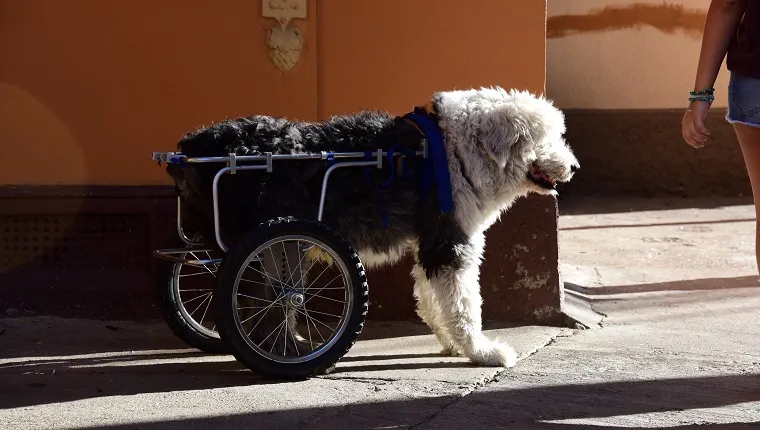
There are some conditions that affect the mobility of the dog’s legs and/or back that can be supported by using a dog wheelchair. Depending on their diagnosis, a well-fitted wheelchair can make it easier for a dog to move around and be able to join in with supervised outdoor activities. However, not all dogs with a limp require one, it is important to note this. Others must rest, be medicated, undergo physiotherapy or receive some other therapy.A veterinary exam can help to determine if a wheelchair is suitable and if it is safe for use by the dog. The goal is to aid in movement, but not applying unnecessary strain to the painful joint or damaged tissue.
Special Considerations For Dogs That Are Larger
Supporting a dog is sometimes difficult especially if relatively large because of its weight. When a larger dog has trouble getting up or moving around, its owners may find it harder to pick up the pup. A large dog wheelchair can provide functional support when advised for the dog’s problem. As you are looking at a Large Dog Wheelchair In Australia, you should take into account the dog’s weight, length, height, leg function and needs. The frame should not be constraining natural movement and be stable. A good fit will also provide comfortable positioning and adequate clearance to minimise rubbing or pressure when in use with the Dog WheelChair In Australia.
Understands When Hind Leg Support Is Required
Weaker dogs may struggle with climbing small steps, walking long distances and/or back legs under their bodies. In appropriate situations a Dog Mobility Wheel Chair will support the back legs and enable the dog to walk on their more powerful back legs. When you’re looking for a Dog Mobility Wheel Chair in Australia, you’ll want to find one that is adjustable, has a secure harness, has the right wheel size and has clear instructions for fitting. But not all mobility conditions will be suited to a wheelchair. A vet or a dog rehabilitation expert will be able to inform you if a cart or support harness, physiotherapy or anything else is better.
Sharing Knowledge, Skills And Experience To Support Dog Mobility
Owners who have to work with the mobility of a dog will need to have the right equipment. When purchasing a mobility aid, take your dog’s measurements and read the manufacturer’s dog fitting instruction. Take into account the surface that the dog will be moving around on such as indoor flooring, garden surfaces, pavements and walking tracks. Dogs don’t get used to a wheelchair right away. It takes them little more time. Just stay with them, talk to them nicely and give them treats when they do well. Keep it short in the start and watch them closely. See if the wheelchair is rubbing anywhere or making their skin red. If your dog is not happy in it, getting sores, or seems in more pain, don’t use it. Just talk to your vet.
Purchasing The Best Mobility Aid Online
Comparing designs, sizes and features with ease can be made easier using online shopping. When looking to Buy Online Dog Wheelchairs, check out the product dimensions, weight capacity, adjustability, returns policy, and replacement parts. If you are searching for an online dog wheelchair in australia, find out what you will get regarding shipping and whether they will offer their customers support to fit it. While reviews might be helpful, they should not take the place of advice on your dog’s condition from a professional. A well-functioning wheelchair for a certain breed or diagnosis might not be the appropriate one for another.
Conclusion
If your dog is changing the way they walk, balance, stand, or get up, or is becoming less active than usual, it could be a sign that they need additional mobility support. Veterinary advice is essential, as the right solution depends on the underlying cause. Some dogs benefit from a supportive harness or rehabilitation exercises, while others may need a properly fitted wheelchair to move around comfortably. When exploring Poultry Accessories in Australia and other pet care products, make sure you choose items suited to your animals’ specific needs. Have your dog assessed by a veterinarian, select the most appropriate mobility aid, and introduce it gradually with patience and care. With the right support, your dog can maintain a happier, more comfortable, and active life with your family.
FAQ’s
Q1. How will I know if my dog needs a wheelchair?
If your dog is having a hard time walking, his back legs look weak, or he’s just not moving like he used to, don’t wait get him checked. Whether he really needs a wheelchair or not, your vet will be the best person to tell you.
Q2. Do old dogs wear mobility wheelchairs?
Yes, a dog can be put in a wheelchair IF it is healthy, strong and comfortable and the dog has been diagnosed and confirmed to be able to use a wheelchair.
Q3. How to pick a big dog wheelchair?
Measure your dog, its weight, the way their legs move, adjustability of their frame, comfort of your dog in the harness and the “how to size your dog” instructions provided by the manufacturer. Please consult a veterinarian prior to purchase.
Q4. Is a dog wheelchair suitable for 24 hour use?
No, Use must be according to veterinary and manufacturer’s instructions. Rest, supervised exercise, skin checks and opportunities to relieve themselves in a comfortable manner are all requirements for the dog.
Q5. Is it possible to purchase a dog wheelchair on-line in Australia?
Yes, you can find different wheelchair designs and sizes online though. Check before ordering the suitability of the product, its return conditions and available support.
Tags