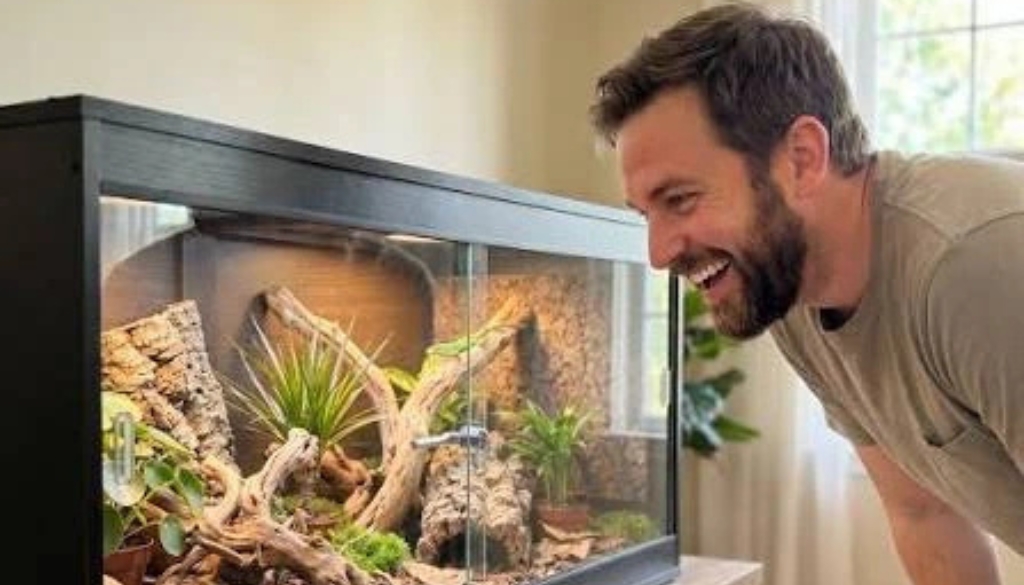
One of the most crucial choices to make with your reptile enclosure is the size of the enclosure. A vertical terrarium is more effective for species that naturally climb, perch or spend a large portion of their time off the bottom of the enclosure and can promote natural movement better than other types of enclosures. But the tall enclosure is not the only one in which it is worth to place. There are a number of considerations to take into account when preparing for your reptile’s adult size, activity level, climbing habits, ventilation, heating needs and floor space. As you’re looking at pet supplies in Australia, it is essential to know these factors can help you locate an enclosure that is practical and comfortable for your reptile and will be able to be cared for over the long term.
How to Make a Vertical Terrarium?
A vertical terrarium is a terrarium that is built so it is taller than wide or deep so it provides more vertical space for living. This type is ideal for arboreal and semi-arboreal reptiles which would naturally be able to climb trees, branches and vegetation. Vertical arrangements provide for the use of multiple levels made of branches, vines, platforms and appropriate hides instead of only floor area. But vertical space can only be of benefit if your reptile has a use for it. The enclosure should be built to accommodate the species, not because a particular enclosure is available that is vertical.
Begin With Your Reptile’s Adult Dimension
One of the most common errors made by novice keepers is purchasing a cage too small, because they are buying by size, not volume.The worst mistake made by novice keepers is purchasing a cage that is too small, for the wrong reasons: size rather than volume. Many species grow considerably as they mature, so they may look very small but they aren’t. If you bought a temporary enclosure that doesn’t last, you may end up having to buy another one later and incur extra costs, resulting in extra habitat changes. Do some research prior to shopping to find out what the mature size and lifestyle of your particular species are. Take into account how much space the useable area it will require for movement, resting, feeding, climbing and thermoregulation. Consideration of the adults’ needs can help you determine the optimum size of your terrarium from the outset.
Consider Climbing Behaviour And Levels Of Activity
Horizontal space requirements vary from reptile to reptile. If a species is very active on the ground, it may need a spacious enclosure with multiple climbing elements to remain comfortable, while a species that spends more time climbing may benefit from additional vertical space. Research your reptile’s habitat requirements and observe its natural behaviour before choosing an enclosure model. The aim is to provide adequate space for natural movement rather than simply choosing the tallest enclosure possible. A vertical terrarium should offer a comfortable environment to move around, retreat, climb, and perch, with suitable Reptile Accessories supporting its needs.
Take Into Account Usable Space, Not External Dimensions
While the outside dimensions of an enclosure may be emphasized when looking at them online, it is the inside dimensions that are important to your reptile. Available space may be decreased by interior fittings, ventilation panels, light fixtures, branches, hides and other equipment. If you are comparing Vertical Reptile Terrariums in Australia, they will provide the internal size if possible. Consider the amount of space needed for opening climbing after installing necessary equipment. Plans for an enclosure might look big on paper, but actually might not be that big once it has been furnished.
Make a Multiple Levels Menu Without Overcrowding
The benefit of a vertical enclosure is that you can create multiple habitat levels. Movements and exploration can be facilitated with branches, platforms, vines, and suitable mountings. However, having too much equipment can make the space feel crowded. Your reptile should have enough room to move freely and easily access different parts of the enclosure. Plan climbing equipment using strategic placement to create routes between lower and higher levels while allowing natural movement. Unlike Poultry Accessories in Australia, reptile climbing equipment should be selected specifically for the species and enclosure environment. The goal is a functional three-dimensional habitat, not an overcrowded decorative display.
The Heating and Temperature Zones Must Be Planned
If the vertical space is large, there can be variations in temperature in different zones, which may make it more difficult to control the temperature. When buying a heating equipment, think about placing the equipment and how you will use the appropriate temperature zones that your reptile needs. The enclosure should enable your pet to get from place to place to move between different temperatures as needed by the species. Do not assume, use a reliable thermometer to monitor conditions. The larger or taller the enclosure, the more critical good environmental monitoring is.
In Tall Enclosures, Ventilation Is A Must
There is no correlation between height and ventilation. For a vertical terrarium, you must be sure to have the correct airflow set up, which will depend on the species’ needs. A lack of airflow can result in too much humidity and sub-optimal air quality, as can over-ventilation which can create the challenge of maintaining the required humidity for species that require a more humid environment. Check before buying the placement and design of vents. The ideal enclosure is the one that you’re able to keep your specific reptile in without great difficulty.
Choose the Terrarium That Fits In Your Space
The needs of your reptile should be the top priority; however, it also depends on the arrangement of your home. Have some idea of the space size where the terrarium will be installed prior to ordering. Take into account the ceiling height, furniture, doors, windows, lighting and/or power outlets, and cleaning access. When decorating an enclosure, it’s important to pick a location that is convenient to move the tall enclosure once it is fully decorated. Vital habitat areas will be created with a well-designed vertical enclosure but will only call for a relatively small space. This is why vertical models may be useful to some Australian homes.
Please Don’t Select An Enclosure That Is Cheap
Of course, budget is a factor, but it’s not necessarily the lowest cost item. Although cheap vertical reptile terrariums seem like a good option, especially for first-time owners, there are a number of factors to consider when buying one. Materials, ventilation, door security, durability and compatibility with heating and lighting equipment are all important considerations. The economical enclosure that must be replaced in a hurry will end up costing more than the more durable enclosure. Consider the total equipment price, which covers all accessories and other items needed to complete the setup, as well as enclosure prices.
What to Look for When Shopping Online
Buying a terrarium online is super convenient because you can compare everything side by side. But don’t trust the photos too much — they can be pretty misleading. Before you order, actually look at the real details: the exact size, what it’s made of, how the ventilation works, what kind of doors it has, if you’ll need to assemble it, how heavy it is, and what comes in the box.
Reviews help a ton too. Other buyers will usually tell you straight up if it was a pain to set up or if it holds up day to day. And if you’re shopping for Vertical Reptile Terrariums in Australia, do yourself a favor and jot down a quick checklist first. Think about how big your reptile will grow, if it’s a climber, what temp and humidity it needs, and how much room you’ve got at home. Having that list in front of you makes comparing tanks so much easier no stress, no second-guessing.
When Should You Upgrade the Terrarium?
Just because the enclosure you started with was fine doesn’t mean it’ll work forever. As your reptile grows, or as you get better at setting things up, their needs are going to change. Watch out for signs it’s time for something bigger, they can’t move around properly, there’s no space left for lights and hides, you’re struggling to keep the hot and cool sides right, or there’s nowhere decent for them to climb and chill. Don’t wait until it’s obviously cramped and stressful. Keep an eye on how big they’re getting and how they’re acting. Upgrade when they need it not just because “it’s been 6 months” or whatever.
Conclusion: Give Them Space to Actually Be Themselves
Look, there isn’t some magic tank size that works for every reptile. It totally depends on what species you have. How big will they get? Are they couch potatoes or always on the move? Do they love climbing? What heat and humidity do they need? And how are you planning to decorate it?
Vertical terrariums are great but only if your reptile actually uses the height. Don’t just buy tall for looks. Make sure they can actually climb, bask, and hide up there. Honestly, it doesn’t matter if you go for the expensive ones or just grab some Cheap Reptile Terrariums. Just ask yourself the real questions: Is there actually enough usable space? Is it safe? Does it have good airflow? Can you keep the temps steady? And will it still work once your reptile gets bigger in a few months?
If you put your reptile’s needs first before buying, you’ll get a setup where they can climb around, explore, hang out, and actually thrive. And that’s what matters.