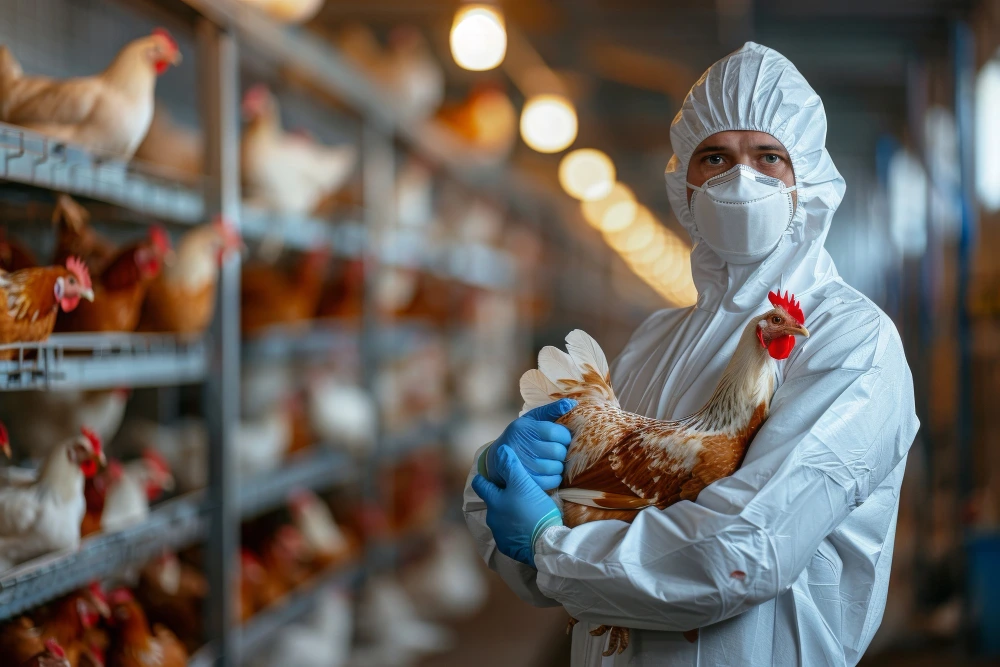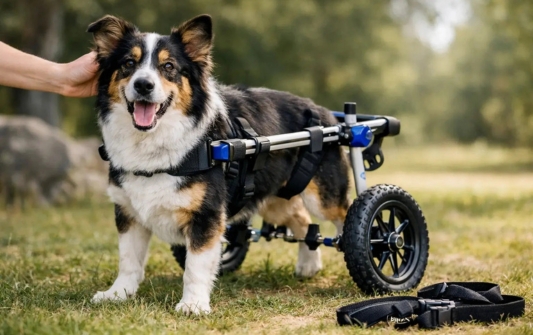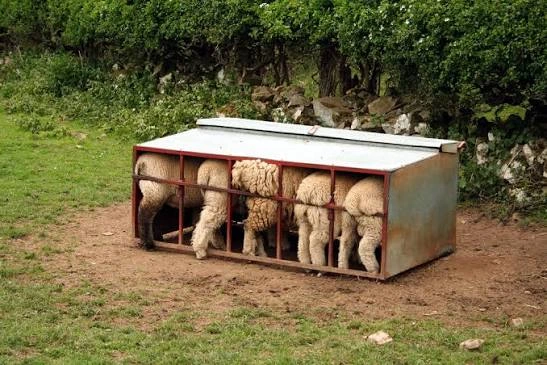
Cleanliness of feeding equipment is an important aspect of healthy livestock. Leftover food, moisture, dust, mud and animal waste are easily collected by the feeders, especially if used outdoors. These materials can cause the feeding area to become hard to manage and hygienic if they are allowed to accrue. A regular routine of cleaning equipment helps to maintain the equipment in good condition and provides a cleaner environment for animals. Hygiene should therefore be considered as an integral part of the day-to-day activities of livestock management, rather than a routine exercise.
Selecting Easy To Clean Livestock Feeders Equipment
Livestock feeders equipment design can have a great impact on maintenance. Smooth and hard surfaces tend to be easier to wipe clean than rough or textured surfaces on which food may get stuck. Feeders should also be tough enough to handle the normal handling and outdoor elements. When choosing equipment, think about the ease with which the equipment can be emptied, washed, dried and inspected. This will save a lot of time in the long run with a practical design.
The Selection Of Livestock Feeders Equipment
For Australian livestock owners, it is important to consider local environmental conditions when selecting livestock feeding equipment. Feeders can be exposed to heat, cold, rain, dust, and other external factors that may affect feed contamination and equipment cleanliness. Choosing durable equipment that can handle the conditions of the area can make cleaning and maintenance easier. When looking for pet Accessories in Australia, owners should also consider feeders that are easy to move, access, and clean regularly.
Clean Up Any Excess Feeds Before Cleaning
A basic, but important step is to remove the previous feed before washing the feeder. Leftover food should not remain in the refrigerator for long after.Refrigerated food should not be left in the refrigerator too long after it is left behind. Thoroughly empty feeder and check the corners, edges and under removable parts. If damp or moldy feed is discovered, eliminate it right away. Checking for any food left in the feeder regularly will also help determine if the feeder is overfilling and/or if the feeder is designating unnecessary feed waste.
Have A Routine For Cleaning
Cleaning equipment regularly is better than waiting until it becomes visibly dirty. The frequency of cleaning and checking feeders will vary depending on the type of livestock, feeding system, weather, and level of use. Use clean water and suitable cleaners on surfaces that are safe to wash, and ensure the equipment is completely dry before adding fresh feed. For farms that also use Whelping supplies, maintaining a regular cleaning routine can help keep feeding and animal-care equipment hygienic. A daily or weekly checklist can also help prevent important cleaning tasks from being overlooked.
Separating Feeders and Waterers And Keeping Them Clean
There is a need for attention to both food and drinking systems. Ensure that feeds and waterers are located so that spilled feed will not fall into drinking containers. The water equipment may be contaminated with dirt, feed particles, and organic material, therefore, it should be inspected often. Maintaining the appropriate separation of the two systems can make overall feeding areas easier to maintain. Position water containers wherever possible on surfaces that minimize movement of mud and splashing around water containers and equipment.
Properly managing The Automatic Water Trough
Automatic water troughs can help make livestock management easier and ensure that livestock always have water, but don’t mean livestock won’t need to be cleaned. Regularly inspect the trough for dirt, algae, feed particles and other contamination. Floats and valves, pipes and connections should also be checked for blockage and leaks. It is also important to clean the container regularly even if fresh water is automatically supplied to keep the container in good condition for proper hygiene and functioning.
Avoiding Contamination in the Vicinity Of Feeding Areas
If the feeder is not clean, but the surrounding area is dirty, it is not sufficient if it is only cleaned up. Feeding areas, manure, mud and water can easily re-contaminate clean equipment. Minimize the amount of ground around the plant that is wet and difficult to control. Empty and clean up spillages of feed and manure regularly, and move equipment as required. Effective area management minimizes the introduction of dirt to feeders and can make the routine cleaning of feeders much easier.
Checking Equipment For Damage Inspection
Check the equipment for any cracks, sharp edges, loose parts, rust or damage during each cleaning session. Three broken surfaces can make areas harder to clean, and could provide spots for food particles and moisture to collect. Other items such as sharp or broken parts can pose physical hazards to animals as well. It may be more practical to replace damaged equipment as soon as possible rather than using a product that is no longer easily maintained safely.
Conclusion: Make Hygiene Part of Livestock Everyday Care
Consistency, appropriate equipment and attention to the environment are key to keeping livestock feeding equipment clean. Each element of the livestock feeding system should be regularly inspected, and cleaned to ensure the system is as durable as possible for livestock feeders equipment and the automatic water trough is in good condition. Organised feeding environment and reduction of old feed in the feeders and contamination by using well-kept feeders and waterers. Farmers and animal owners can keep their equipment in good condition and contribute to good care of their animals if cleaning is integrated into the daily practice of the animals.